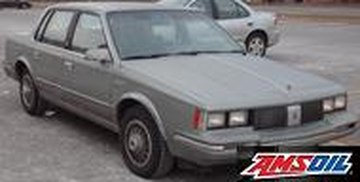
Maintaining Lubrication Integrity for the 1982 Oldsmobile CIERA 3.0L
Proper engine maintenance is a cornerstone of long-term vehicle health, particularly when managing an engine that has been in operation for several decades. For the 1982 Oldsmobile CIERA equipped with the 3.0L engine, consistent attention to lubrication and fluid integrity helps ensure the mechanical components continue to operate as intended.Monitoring Fluid Condition and Potential Leaks
A proactive approach to maintenance involves regular visual inspections of the engine bay and the ground beneath the vehicle. Over time, various seals and gaskets may undergo changes in their physical properties due to heat cycles and age. It is useful to inspect the area around the engine for any signs of fluid seepage or active leakage. If you notice dark spots on your driveway or a damp appearance on various engine components, these can be indicators that a seal or gasket may require attention. Furthermore, checking the color and consistency of the oil during routine service can provide insight into the engine's internal state. While oil is expected to darken over time due to normal use, extreme discoloration or an unusual texture should warrant further investigation. When performing these checks, also look for any evidence of overheating, such as residue from a cooling system issue, as thermal stress can impact the longevity of all engine-related components and fluids.Managing Aging Components and Materials
As vehicles age, certain non-metallic components may become more sensitive to environmental factors and operational heat. For an owner of a 1982 Oldsmobile CIERA, it is practical to adopt a condition-based maintenance strategy rather than relying solely on the age of the vehicle. This means inspecting parts based on their actual physical state. If equipped, accessible drive belts should be examined for signs of deterioration such as cracking, glazing, or fraying. Similarly, if the vehicle has various rubber hoses present, checking them for softness, brittleness, or swelling is a prudent step in preventing unexpected failures. Electrical connections and wiring harnesses should also be inspected for any signs of corrosion or insulation breakdown. Maintaining clean and secure electrical contact points can prevent various operational inconsistencies that might otherwise be difficult to diagnose.Establishing a Maintenance Baseline
For many owners of older vehicles, the complete service history may not always be readily available. In such cases, establishing a maintenance baseline is an essential first step. This involves performing a thorough inspection of all current fluids and mechanical components to determine their present condition. By documenting the current state of the engine oil, filter, and other vital fluids, you create a reference point for future service. If you notice that the vehicle consumes more lubricant than expected or if there are changes in how the engine sounds during operation, having a record of previous maintenance can help distinguish between a new development and a long-standing characteristic. Keeping a detailed log of all completed repairs, fluid changes, and observed inspections is one of the most effective ways to manage an older vehicle. This documentation assists in making informed decisions about whether a component needs preventive replacement or if it can continue to serve reliably.Interpreting Potential Operational Changes
It is important to remain observant of how the engine behaves during different driving conditions. While many mechanical changes happen gradually, some symptoms may appear more suddenly and require investigation. For example, an unusual noise coming from the engine compartment or a change in the way the vehicle idles can be associated with various factors, ranging from minor sensor issues to more significant mechanical concerns. Similarly, if you notice any unexpected smoke from the exhaust, this should be investigated to determine the cause. Because many different components can produce similar symptoms, it is best to view these signs as indicators that a professional inspection may be necessary rather than attempting to diagnose a specific part failure yourself. Always pay attention to dashboard indicators. If a warning light illuminates, it is a direct signal from the vehicle's monitoring systems that an area requires immediate attention.Prioritizing Service Tasks
When managing maintenance for a 1982 Oldsmobile CIERA, owners should prioritize tasks based on urgency and observed condition. Addressing active leaks or responding to clear warning signs should always take precedence over general preventive measures. If you are working with an incomplete service history, focus first on the most critical systems: lubrication, cooling, and electrical integrity. Once these foundational elements are verified as being in good working order, you can move toward more detailed inspections of secondary components. This tiered approach ensures that the most vital aspects of engine health are managed effectively without becoming overwhelmed by the total number of maintenance tasks required for an older vehicle.Practical Advice for Buying Engine Oil for your 1982 Oldsmobile CIERA 3.0L
When it is time to replenish your engine's lubricant, the most important step is to ensure the product matches the specific requirements of your engine. Rather than relying on general automotive knowledge or assumptions based on the vehicle's age, you must refer to the application-specific information provided on this page. Match the engine oil to the application-specific viscosity information shown above. When selecting a product, consider the following:- Check Product Labels: Always verify that the oil you are purchasing meets the appropriate API certification standards listed in your documentation.
- Formulation Options: Depending on your specific needs and the condition of your engine, you may choose between conventional, synthetic blend, or full synthetic formulations. Some high-mileage oil formulations contain additives intended for use in aging engines, including seal-conditioning additives.
- Verify Specifications: Do not assume that a modern oil grade is the original requirement; always use the viscosity and specifications explicitly provided for this 3.0L application.